
Fenbendazole — a veterinary deworming medication — has recently gained attention for off-label use, including experimental cancer protocols. Because fenbendazole is not FDA-approved for human use and its safety profile in humans is not fully documented, verifying purity and testing standards is critically important.
This guide explains why purity matters, which lab tests verify authenticity, how to understand a Certificate of Analysis (COA), and how to evaluate suppliers.
Table of Contents
- Why Purity Matters
- How Purity Is Verified
- USP & GMP Standards
- How to Read a COA
- Red Flags to Watch For
- Example of a High-Quality COA
- Download the Verification Checklist
Why Purity Matters
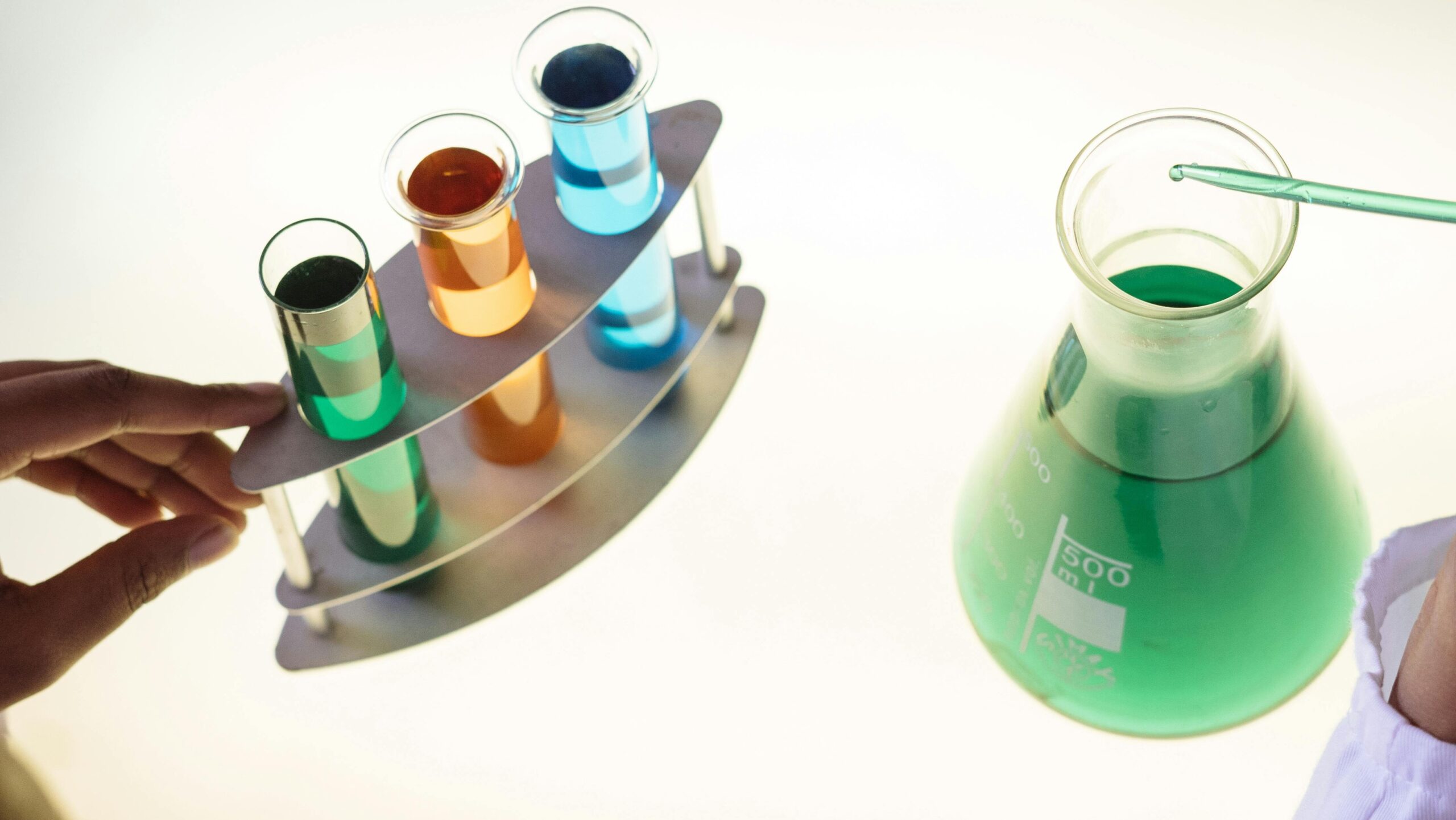
Purity directly impacts safety and effectiveness. Fenbendazole was originally developed for animal use, and many commercially available veterinary products include fillers or inactive ingredients not intended for human ingestion.
Off-label popularity has created demand for bulk fenbendazole powders and capsules. Quality across suppliers varies widely. Some products tested on the market have been found to contain significantly less fenbendazole than advertised.
A high-purity product (98–100%) reduces exposure to unknown contaminants and ensures dosage accuracy for those using fenbendazole experimentally or in research.
Analytical Methods Used to Verify Purity
Verifying identity and purity relies on analytical chemistry techniques. These methods confirm the fenbendazole molecule is authentic and quantify any impurities.
High-Performance Liquid Chromatography (HPLC)
HPLC is the primary method to determine purity. A chromatogram graph displays peaks representing chemical components. A high-quality sample will show one dominant fenbendazole peak with minimal trace impurities.
Typical acceptable purity range: ≥98–99%.
Gas Chromatography–Mass Spectrometry (GC-MS)
Used to detect volatile chemicals, including solvent residues or synthesis byproducts. This method identifies substances based on molecular signature and confirms no hidden contaminants remain.
Spectroscopy (NMR, IR, MS)
- NMR (structure fingerprint) confirms the compound’s exact molecular structure.
- IR spectroscopy verifies the functional chemical groups match fenbendazole.
- Mass spectrometry confirms correct molecular weight.
These methods ensure authenticity—not just purity.
Other Important Quality Tests
Beyond purity and identity, additional testing ensures safety and consistency:
- Heavy metals testing
- Microbial contamination screening
- Residual solvents
- Moisture content (loss on drying)
- Melting point for consistency
Heavy metals such as arsenic, cadmium, mercury, or lead must remain below strict regulatory limits. Microbial testing ensures no harmful bacteria or mold are present.
Regulatory Frameworks and Quality Benchmarks
Fenbendazole appears in the U.S. Pharmacopeia (USP) for veterinary applications. USP establishes strict criteria:
- No single impurity >0.5%
- Total impurities ≤1%
- Identity verified by IR, melting point, and assay
While fenbendazole is not FDA-approved for human use, high-quality sources follow Good Manufacturing Practices (GMP) and independent third-party verification.
How to Read a Certificate of Analysis (COA)
A COA verifies batch-specific laboratory testing. Key fields include:
- Product name
- Lot number
- Test date
- Testing lab identity
- Purity results
- Impurity breakdown
- Heavy metal levels
- Microbial safety
- Residual solvent analysis
A typical pharmaceutical-grade COA will show:
| Field | Example | Interpretation |
|---|---|---|
| Purity (HPLC) | 99.6% | Acceptable |
| Total impurities | <0.5% | Meets USP guidelines |
| Heavy metals | <1 ppm | Safe |
| Residual solvents | ND (not detected) | Ideal |
A COA without a batch number, date, or lab details is a red flag.
Red Flags to Watch For
Be cautious if you notice:
- No COA provided
- Claims of “100% purity” with no method listed
- No lot number on packaging
- Pricing far below industry average
- No independent third-party testing
- Inconsistent powder color or odor
- COA values identical across multiple sellers
Low-quality products may contain fillers, inactive compounds, or contaminants.
Examples: Good vs Questionable Sources
Trusted sources typically:
- Use FDA-registered testing labs
- Provide batch-specific COAs
- Follow GMP manufacturing
- Show ≥98–100% purity
Questionable sources may:
- Use generic or reused COAs
- Provide no documentation
- Report unrealistic round numbers (e.g., “100% always”)
- Show low assay values when independently tested
Summary & Key Takeaways
- Purity matters—especially for off-label or research use.
- High-quality fenbendazole should be 98–100% pure.
- A valid COA verifies identity, purity, safety, and lab testing methods.
- Independent testing and GMP compliance are strong trust indicators.
- Avoid products with no transparency or unverifiable purity claims.
Frequently Asked Questions (FAQ)
What purity level is considered pharmaceutical grade?
Typically ≥98% HPLC purity, with total impurities ≤1%.
Does “100% pure” really mean 100%?
Not literally—this usually means no detectable impurities within testing limits.
Is veterinary fenbendazole the same as bulk powder?
The active ingredient may be high purity, but veterinary formulations contain non-drug fillers and should not be assumed equivalent to USP-grade powder.
How do I know if a COA is real?
Check for batch number, testing lab identity, date, method, and measurable values—not vague claims.
COA Inspection Checklist
Use this quick checklist when reviewing a supplier:
- ☐ Includes batch number and testing date
- ☐ Purity ≥98% (HPLC)
- ☐ Total impurities ≤1%
- ☐ Heavy metals screened
- ☐ Microbial screening performed
- ☐ Identity verified (IR/NMR/MS)
- ☐ Independent lab testing
- ☐ Supplier follows GMP or similar standards