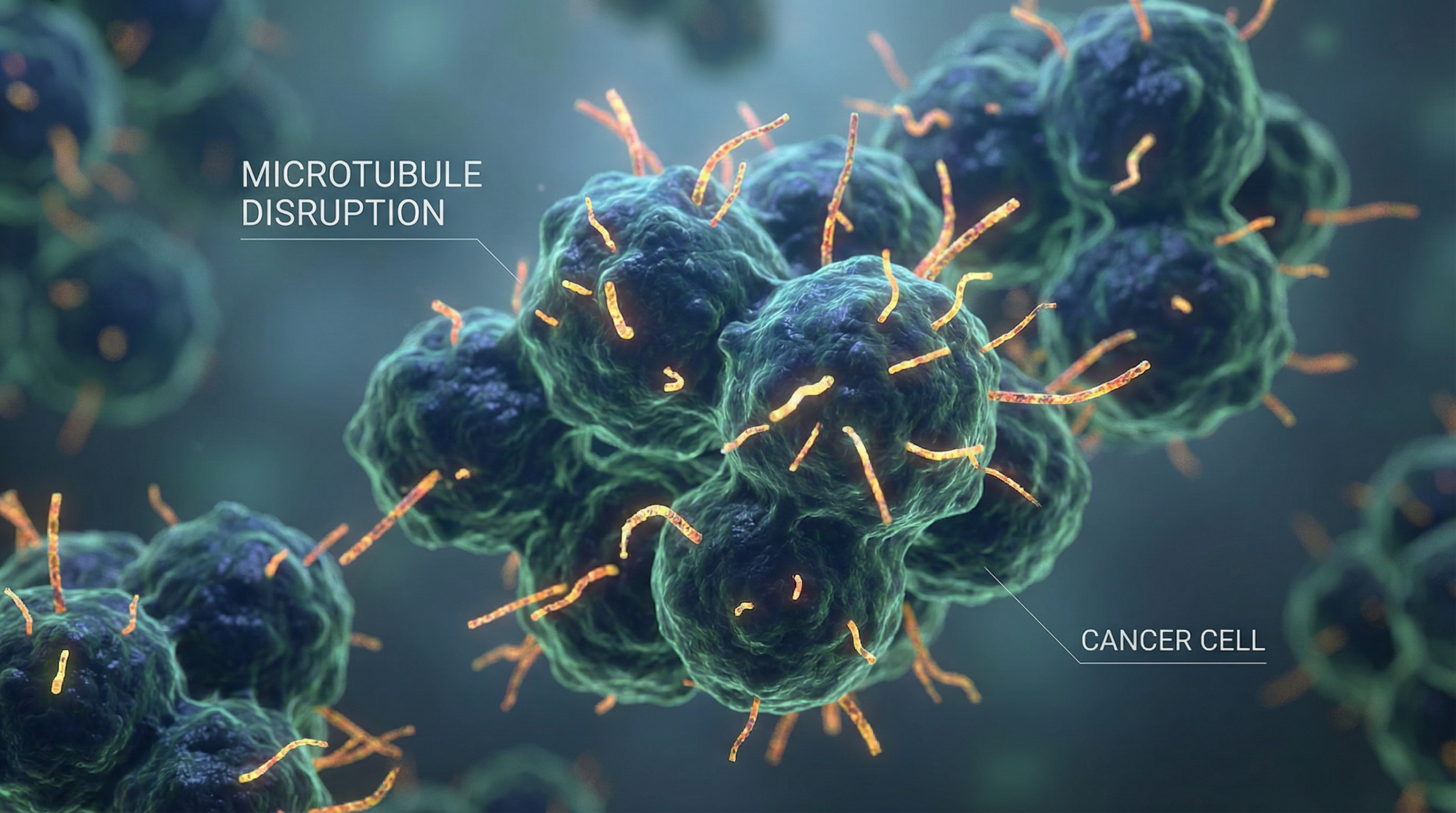
One of the reasons Fenbendazole for humans has gained traction in alternative cancer circles is due to its ability to disrupt cancer cell growth at the microscopic level. While it may sound complex, the concept is surprisingly straightforward when broken down.
What Are Microtubules—and Why Do They Matter?
Microtubules are tiny, tube-shaped proteins inside cells that play several critical roles, including:
- Helping cells maintain their shape
- Aiding in cell transport
- Guiding chromosome separation during cell division
In cancer, microtubules are essential for rapid, unchecked growth. That’s what makes them such a useful target for therapy.
How Fenbendazole Interferes with Microtubule Function
Fenbendazole, originally a veterinary dewormer, binds to tubulin, the building block of microtubules. This prevents the microtubules from forming or functioning properly.
In cancer cells, this disruption can:
- Halt mitosis (cell division)
- Trigger apoptosis (cell death)
- Prevent the spread of malignant cells
This is why researchers have compared Fenbendazole’s action to that of certain chemotherapy drugs—without the same toxicity profiles.
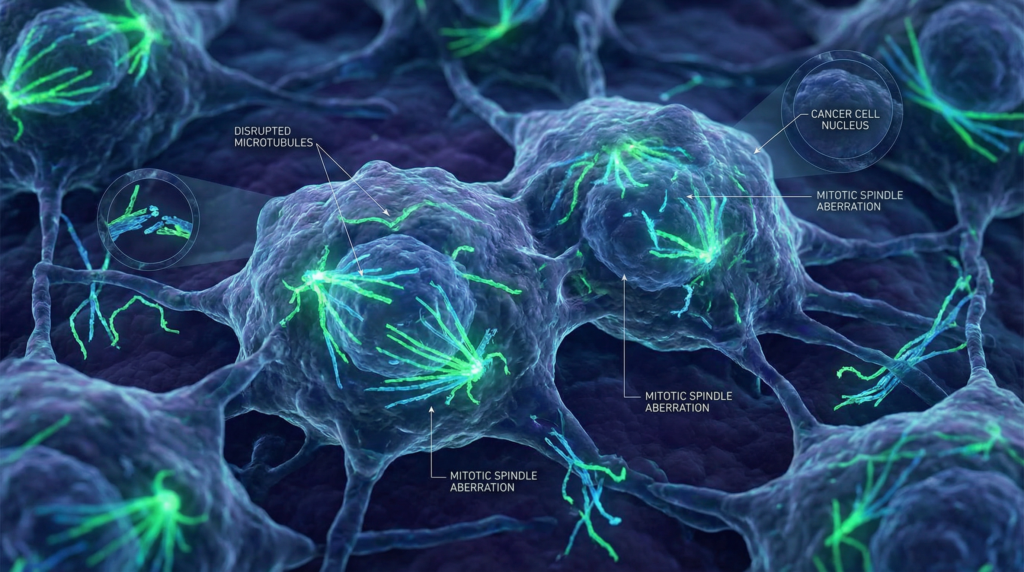
Is This Effect Unique to Fenbendazole?
Not entirely. Other drugs like taxanes and vincristine also target microtubules. However, Fenbendazole is unique because:
- It has a long history of safe use in animals
- It shows selective toxicity to abnormal cells in lab models
- It’s being repurposed, not newly developed—making it cost-effective
This is part of the reason Fenben for humans is being explored with such curiosity in integrative medicine.
The p53 Connection
In addition to its microtubule effects, Fenbendazole has also been linked to reactivating the p53 tumor suppressor gene, often called “the guardian of the genome.”
In many cancers, p53 is either mutated or inactivated. Reactivating it could:
- Restore normal cell death signals
- Halt tumor growth
- Improve the effectiveness of other treatments
While more clinical data is needed, the dual-action potential of Fenbendazole—on microtubules and p53—is promising.
What Does the Research Say?
Most of the data comes from preclinical studies in mice and lab-grown cancer cells. These studies have shown:
- Disruption of mitosis in colon, prostate, and melanoma cells
- Tumor growth suppression without significant side effects
- Synergistic effects when combined with other agents
Keep in mind: This is still early-stage science. Fenbendazole is not yet FDA-approved for human cancer treatment.
Should You Consider This Mechanism When Choosing a Protocol?
If you’re considering Fenbendazole as part of a cancer support protocol, understanding the microtubule mechanism helps frame realistic expectations. This is not a cure—it’s a potential complementary approach to explore with guidance from a knowledgeable provider.
Key Takeaways:
- Microtubules are essential for cancer cell growth
- Fenbendazole blocks microtubule formation, disrupting cell division
- It may also support reactivation of the p53 gene
- Early studies show promise, but more human data is needed
- Always consult your doctor before making decisions about your protocol